



%201.svg)

Tesla has changed how many people think about servicing a car. There are no traditional engine oil changes, and much of the car can be updated remotely. That does not mean maintenance disappears. It just takes a different form.
For drivers in the UAE, the climate, road conditions and driving style all influence how often you should check tyres, brakes, cooling systems and battery health. This guide gives a practical overview.
1. How Tesla thinks about maintenance
Tesla’s general approach is that there is no fixed “yearly service” that every car must follow. Instead, it recommends periodic checks for specific items, along with inspections whenever you notice changes in performance or warnings.
Common items include:
- Tyre rotation, balance and alignment
- Brake fluid checks at planned intervals
- Cabin air filter replacement
- Air conditioning system service for long term performance
In other words, the focus shifts from engine-related service to the systems that support safety and comfort.
2. Tyres and alignment on UAE roads
Tesla vehicles are quick, heavy and often driven enthusiastically. Tyres carry the full load of that instant torque.
Good practice in the UAE:
- Check tyre pressures at least once a month and before long trips
- Inspect tread and sidewalls for cuts, bulges or uneven wear
- Rotate tyres on a regular schedule to even out wear between front and rear
If you feel the car pulling to one side or see uneven wear on the inner edges, it is time for a professional alignment. This improves both safety and efficiency, especially on long highway routes between Emirates.
3. Brakes and regenerative braking
Tesla’s regenerative braking system recovers energy when you lift off the accelerator, reducing the use of friction brakes. Pads can last longer than on many petrol cars, but they still need inspection.
Key points:
- Brake fluid still absorbs moisture over time and should be tested at recommended intervals
- Calipers and sliding surfaces benefit from occasional cleaning and lubrication, especially in dusty conditions
- If you hear grinding, feel vibration or notice reduced braking performance, do not rely on regeneration alone
In UAE heat, brake fluid in poor condition can boil earlier during hard stops. Replacing it on schedule is a simple way to keep braking consistent.
4. Cooling systems and air conditioning
Tesla models use cooling systems to manage both the cabin and the battery. In hot climates, these systems work hard.
For UAE drivers:
- Consider more frequent cabin filter changes due to dust
- Schedule air conditioning service according to Tesla’s guidance, and avoid ignoring weak cooling performance
- Ask your service provider to check coolant levels and inspect for leaks during regular visits
If you hear unusually loud fans or notice repeated warnings about battery temperature, these are signs that the cooling system needs attention.
5. Software updates and diagnostics
One of Tesla’s strengths is the use of over the air updates. These can refine everything from range prediction to driver assistance.
Good habits:
- Connect your car to reliable Wi Fi where possible so updates download quickly
- Read update notes to understand any changes that might affect driving feel
- If you notice new warnings after an update, log them and share details with your service provider
Remote diagnostics can often identify potential issues before they become obvious on the road. However, a hands-on inspection is still important when warnings persist.
6. Battery care and everyday charging
Tesla designs its batteries and management systems to handle a variety of charging patterns, but some habits help in hot climates:
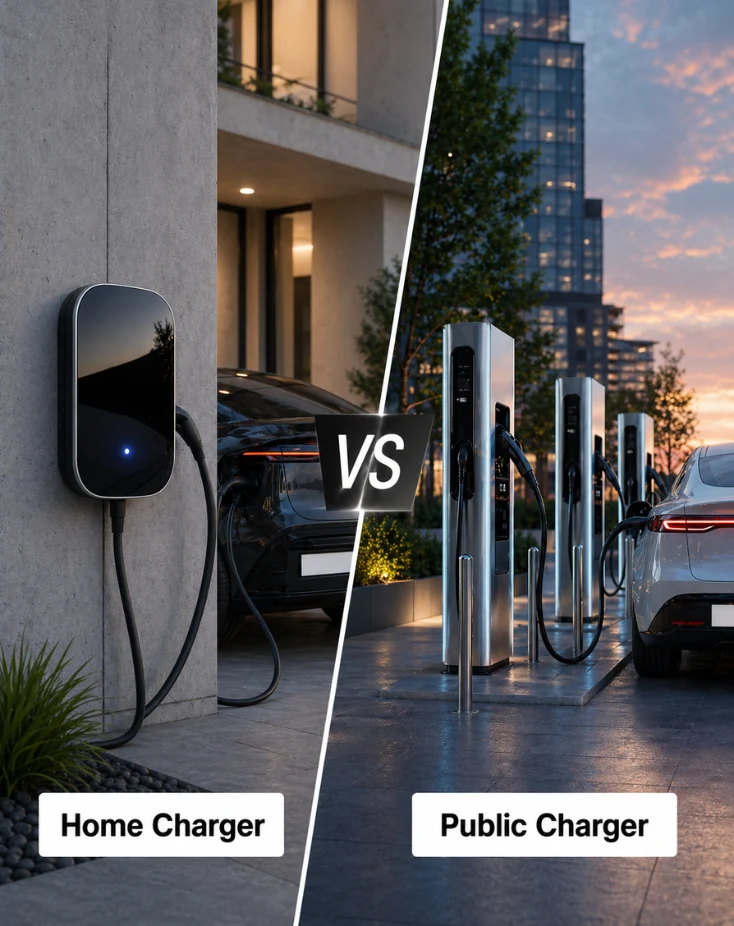
- Use home or workplace AC charging for everyday top ups
- Keep daily use within a moderate charge range when possible, for example 20 to 80 percent
- Save 100 percent charges for long trips, and try to start your journey soon after the car reaches that level
- Avoid leaving the battery at 0 percent or 100 percent for long periods in strong heat
These practices support long term battery health without making everyday use complicated.
7. Driving style and range in the UAE
Highway speeds, strong air conditioning and fast acceleration all influence range. In real UAE conditions, you can expect:
- Lower range at sustained high speeds, such as 140 km/h
- Increased energy use when climbing or carrying heavy loads
- Visible impact from strong headwinds and crosswinds on exposed roads
You can counter this by:
- Reducing cruising speed slightly on longer trips
- Using pre conditioning to cool the cabin while still plugged in
- Planning charging stops with a margin instead of aiming to arrive nearly empty
Tesla’s navigation and energy prediction tools are useful here, but local experience helps refine your estimates.
8. When to visit a specialist Tesla or EV center
While many routine checks can be handled by capable workshops, some situations call for specialist support:
- Repeated battery or charging warnings
- Sudden, unexplained loss of range
- Damage to the high voltage cables or charging port after an impact
- Driver assistance systems that behave unpredictably or show persistent alerts
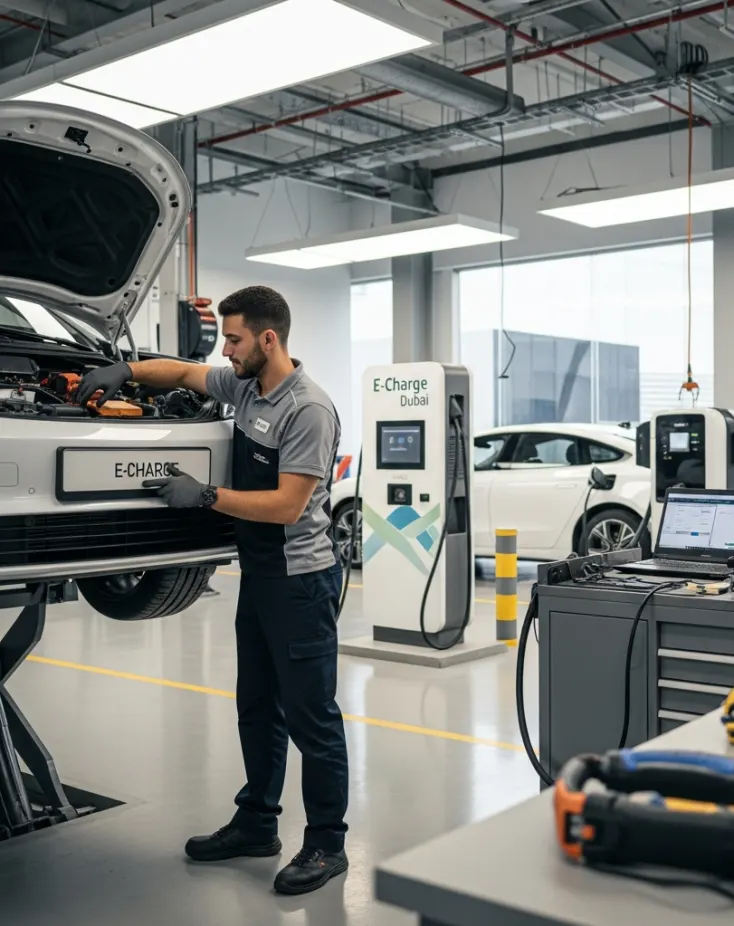
Specialist centers that understand Tesla’s architecture can run deeper diagnostics, isolate high voltage components and guide repair decisions.
9. A simple maintenance plan for UAE Tesla owners
Bringing this together, a practical plan might look like:
- Every 6 months: tyre inspection and rotation, visual checks of suspension and brakes
- Every 12 months: detailed inspection by a workshop, including diagnostic scan and brake system check
- According to Tesla guidance: cabin filter replacement, brake fluid tests and AC system service
The exact intervals depend on your model and how much you drive, but combining Tesla’s official guidance with local experience gives a strong foundation.
10. Keeping Tesla ownership straightforward
Tesla ownership in the UAE does not need to be complicated. If you:
- Monitor tyres, brakes and cooling with the same seriousness as you would on any high performance car
- Keep software up to date
- Build a calm, consistent charging routine
you will have a predictable, manageable maintenance experience and a car that stays enjoyable for daily use and long trips.

.webp)