



%201.svg)

Electric vehicle (EV) charging is undergoing dramatic change across the UAE, with ultra-fast charging promising to make long distances and daily driving far more practical by 2026. Yet, this transformation brings a new set of questions for EV owners and those considering the switch from petrol. Quick top-ups may feel like freedom, but are there hidden costs for your battery and repair bills, especially in the region’s relentless heat? Understanding how rapid charging affects battery health, range consistency, and maintenance is key to making informed decisions and getting the best from your EV. This article explains what ultra-fast charging means for the UAE, what it could do for daily life, and the risks and trade-offs that come with rapid power. You’ll learn how battery heat, smart charging habits, and cooling system health are becoming just as important as charging speed, especially when the mercury soars.
Ultra-Fast Charging in the UAE: Convenience With Consequences
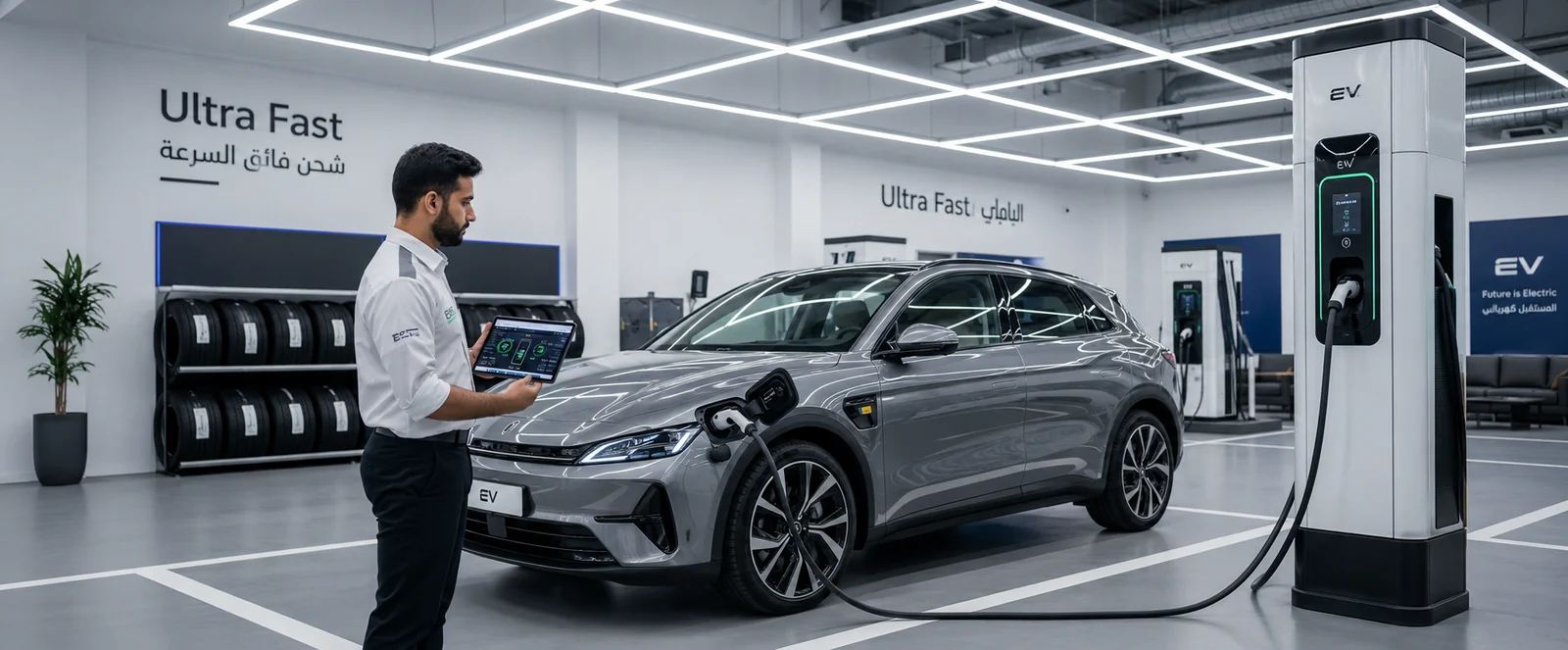
By 2026, ultra-fast charging, typically meaning public chargers delivering 150kW, 350kW, or even higher, could become far more visible on UAE highways and in city centres. For context, older rapid chargers might provide 50kW, while home charging is usually under 11kW. Ultra-fast stations can restore hundreds of kilometres of range in under 30 minutes, enabling Tesla, Porsche, Kia, and Hyundai EVs to take longer journeys more conveniently. Governments and utility companies are pushing for accelerated rollout, with several initiatives aiming for network coverage across major routes by 2026. While exact station numbers are evolving, the direction is clear: high-speed charging is key to the country’s net-zero ambitions and the practical adoption of EVs, especially for business fleets and long-range commuters. Yet, not every driver will use these chargers often. They especially benefit:
- Fleet operators and taxis covering high daily mileage
- Cross-emirate business or family travellers
- EV owners without home or workplace charge points
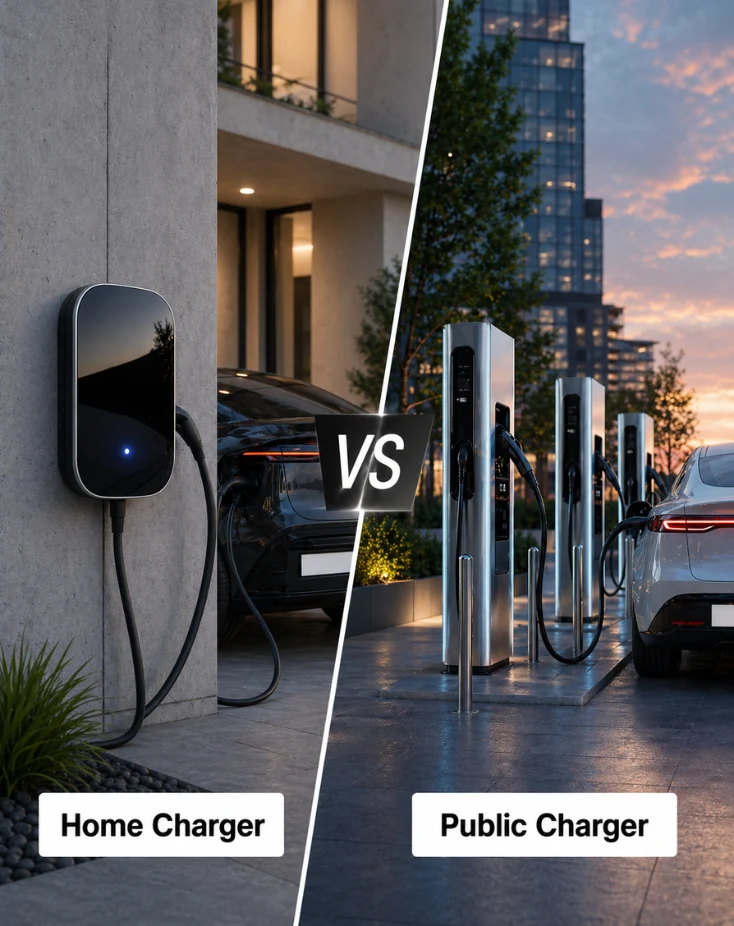
If you charge mostly at home at lower speeds, your battery’s habits will differ from someone relying on rapid public chargers several times a week.
The Heat Factor: How Ultra-Fast Charging Affects Battery Temperature
Fast charging works by pushing high-power DC electricity directly into the battery, bypassing the slower AC inverter used at home. This high flow of energy causes battery cells to heat up rapidly due to internal resistance. When the battery starts near empty or cold, this is less of an issue. But in a UAE summer, where ambient temperatures regularly exceed 40°C, the battery often enters the charger already hot. Rising battery temperature isn’t just theoretical. Lithium-ion chemistry becomes less stable at high temperatures, and cell ageing accelerates when heat and high voltage are combined. Most modern EVs use liquid-based cooling systems to maintain safe charging temperatures, but in real summer conditions, the cooling system must work much harder, cycling pumps, valves, and refrigerant systems at full tilt. If the battery gets too hot, built-in safety software reduces charging speed, sometimes dramatically, or temporarily halts charging to protect the cells. After a fast charge, batteries can remain warm for hours, potentially affecting performance and further charging opportunities.
Battery Health and Longevity: Weighing the Costs of Speed
Repeated ultra-fast charging, especially from very low to very high states of charge (for example, 10% to 90% in one go), increases battery wear. Rapid charging pushes more current through the battery, heightening internal stress and raising cell temperature. Over months and years, this stress can compound, leading to:
- Faster degradation of usable battery capacity (reduced range at full charge)
- Higher likelihood of cell imbalance or voltage irregularities
- Greater reliance on software limits to prevent overheating
Manufacturer testing and early owner data from the GCC suggest that occasional fast charging, on long trips or when necessary, is fine for most EVs. Problems arise when ultra-fast charging becomes a daily routine, particularly when combined with a hot climate. Cooling systems can only do so much, and even advanced thermal management systems found in cars like the Tesla Model Y, BMW i4, and Hyundai Ioniq 5 have their limits. For most drivers, the best approach is a mix: rely on slower AC charging for regular, everyday top-ups, and use ultra-fast charging for true convenience on demanding days.
Real-World Range: Not Just About the Number on the Dashboard
A common surprise for new EV owners is how range fluctuates with temperature and charging patterns. Ultra-fast charging heats the battery, and until the pack cools down, efficiency may suffer, with the system dedicating more energy to cooling. In turn, drivers in peak UAE summer may notice:
- The battery running warmer and fans running louder after rapid charging
- Range loss if the car sits in the sun after a fast charge
- Differences between the advertised range and what’s actually available new charging habit develops
Fast charging also means charging stops are often from a much lower starting state, which puts extra strain on battery chemistry and reduces the window for optimal energy storage. Coupled with high outside temperatures, this explains why range can feel inconsistent and sometimes surprisingly short after ultra-fast sessions.
The Strain on Cooling Systems and Potential Repair Risks
The UAE’s heat places significant extra load on battery cooling systems. Modern electric cars use a mix of liquid and, sometimes, refrigerant-based cooling, channelling coolant around the battery during high-speed charging to keep temperatures within safe limits. This places constant demand on:
- Coolant pumps and circulation systems
- Heat exchangers and radiators
- Cooling fans and actuators
- AC compressors shared between the cabin and battery pack
Over time, heavy use of ultra-fast charging, especially in hot weather, can increase wear or cause faults in these components. Early warning signs include:
- Slower than expected charging speeds
- Temperature or battery warning lights
- Unusual fan noise or high fan activity after charging
- Reduced peak range compared to previous months
Left unchecked, cooling system faults can accelerate battery degradation or, in rare cases, trigger safety limits preventing rapid charging altogether until repairs are made.
Are Some EV Components More Prone to Wear With Fast Charging?
Yes. In addition to the core battery, several parts work harder:
- Cooling system parts (pumps, valves, refrigerant lines)
- High-voltage cabling and connectors
- Charging ports and plugs, especially with repeated manual connections
- Battery management system (BMS) software, which can log faults or reduce performance if persistent high temperatures are detected
Vehicles with less sophisticated thermal management may see earlier faults. For those planning to keep an EV for the long term, or buying used, a full battery and cooling system health check is wise, especially if the previous owner relied heavily on public rapid charging.
Charging Smarter: Habits That Help UAE Drivers Protect Their Battery
Ultra-fast charging is not the enemy. Used wisely, it’s a breakthrough for convenience and opens up the UAE for effortless electric travel. But just because you can charge quickly doesn’t mean you always should. Smart habits include:
- Use rapid chargers for long journeys or when travel plans demand it, but default to slower AC charging at home or work when possible
- Avoid frequent charging from very low (below 15%) to very high (above 90%) battery states
- Give the battery time to cool between long drives and a charging session, especially after high-speed motorway driving in summer
- Check for unusually slow charging, warning lights, or excess fan noise, they’re early signs of cooling trouble
- Consider pre-conditioning the battery (a setting in most newer EVs) before a fast charge; this helps manage battery temperature more evenly
- Park in the shade or ventilated garages after charging in hot weather when possible
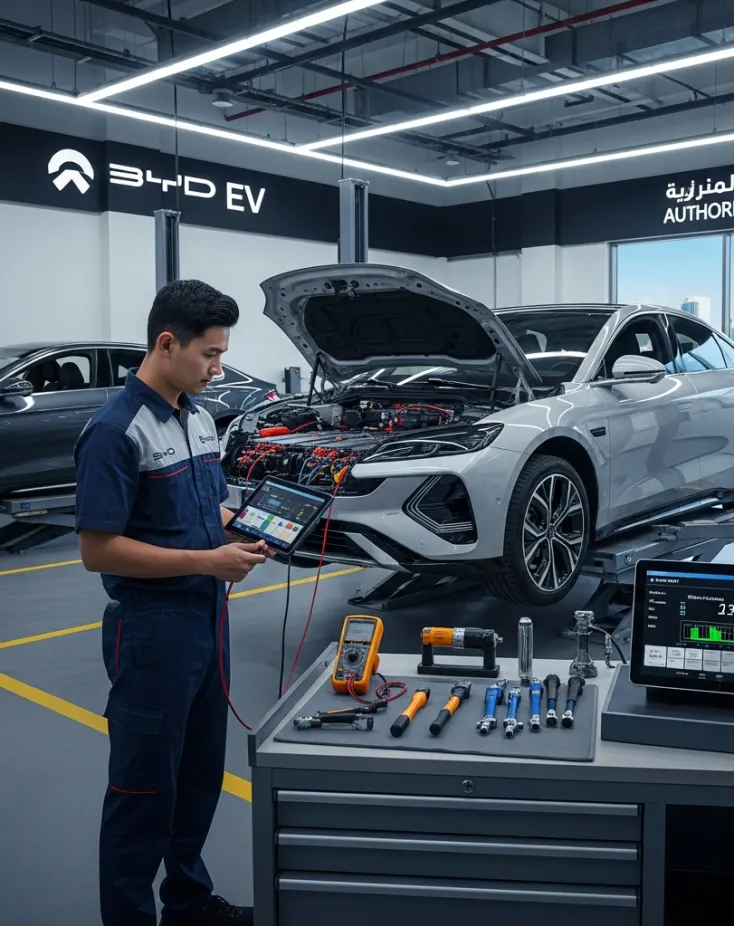
For fleet operators and high-mileage drivers, regular diagnostic checks on battery and cooling system health are a good investment. Sticking to manufacturer guidelines for high-speed charging frequency, often found in your vehicle’s manual, will help you avoid unnecessary warranty claims or expensive repairs.
Looking Ahead: How Charging Habits Could Shape the Future of EV Repairs
By 2026, as ultra-fast charging becomes the norm rather than the exception, the profile of common EV repair jobs is likely to shift. More battery health checks, cooling system services, and charger port maintenance visits can be expected, especially as vehicles age or if charging infrastructure outpaces the robustness of early-generation models. Service centres will increasingly watch for:
- Degraded battery modules with frequent fast charging history
- Clogged or leaking cooling systems
- Failing pumps, valves, or AC compressors tied to charging use
- Charging port or cable wear from heavy, repeated use
With the right habits and timely servicing, however, rapid charging can be harnessed safely, keeping EVs on the road and their batteries healthy in the UAE’s demanding environment.
Conclusion: A Balanced Approach for Reliable, Long-Life EV Ownership
Ultra-fast chargers promise to reshape the UAE’s EV landscape, making electric driving genuinely practical for far more owners by 2026. But in the region’s harsh climate, the speed of charging must be balanced with an understanding of battery care, cooling system limits, and smarter charging routines. Regular diagnostic checks, good driving habits, and using fast charging only when truly needed are the keys to maximising battery life and minimising repair risks. For the best ownership experience, always pair convenience with care, your EV (and your wallet) will thank you for years to come.