



.webp)
%201.svg)

Electric vehicles have a reputation for being “low maintenance.” That idea is partly true, but it often leads to a misunderstanding. Some drivers assume electric cars barely need servicing at all.
Here’s the thing. Electric cars have fewer moving parts than petrol or diesel vehicles, but they still need regular checks to stay reliable and efficient. Tyres wear out, cooling systems need inspection, software requires updates, and the battery system must stay within safe temperature limits.
This question becomes even more relevant in the UAE. The combination of desert heat, dust, and long highway drives puts unique pressure on electric vehicles.
So, how often should an EV actually be serviced in the UAE?
The short answer is simple. Most manufacturers recommend a service every 12 months or about 15,000 to 20,000 kilometres, whichever comes first.
But the real answer is more nuanced. Driving habits, climate conditions, and the model of EV all influence the ideal service schedule.
Let’s break it down clearly.
Why EVs Still Need Regular Servicing
.webp)
Electric vehicles eliminate many of the maintenance tasks associated with traditional engines. There are no oil changes, no spark plugs, and no exhaust systems to worry about.
However, an EV is still a complex machine. It includes high voltage batteries, cooling systems, suspension components, brakes, electronics, and software.
In fact, electric vehicles typically have around 70 per cent fewer moving parts than petrol cars, which is one reason maintenance costs tend to be lower.
What this means is that servicing focuses on a different set of components rather than eliminating maintenance entirely.
A simple way to think about it is this: EV maintenance focuses more on monitoring systems than replacing mechanical parts.
Typical EV Service Intervals in the UAE
Most manufacturers publish their own service schedules, but the general pattern is similar across brands.
For EV owners in the UAE, the most common guideline is:
Every 12 months or 15,000 to 20,000 km.
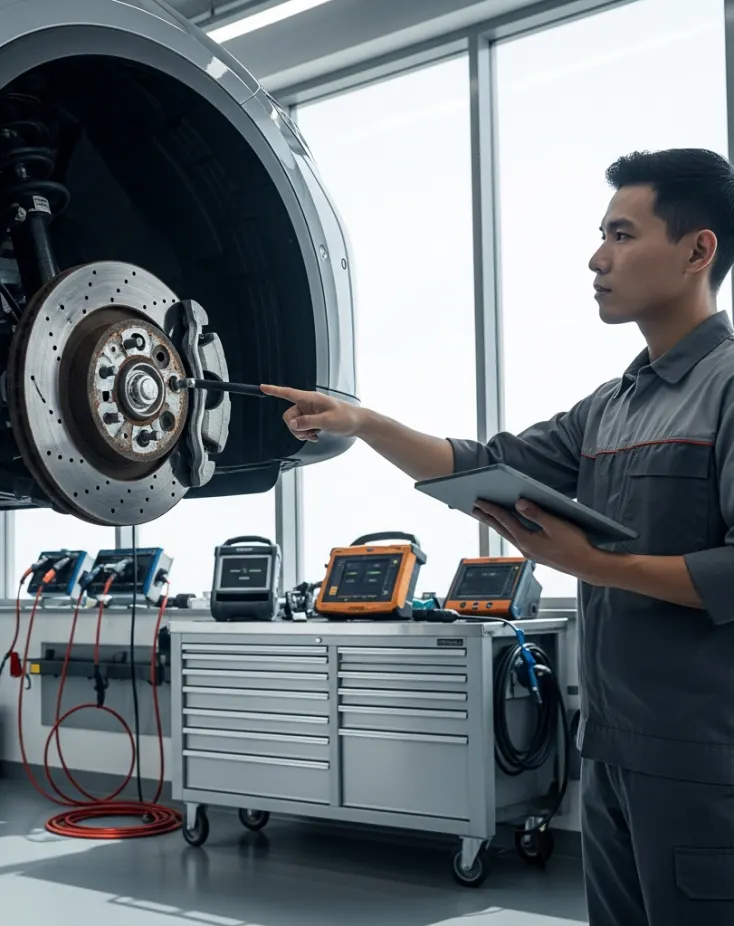
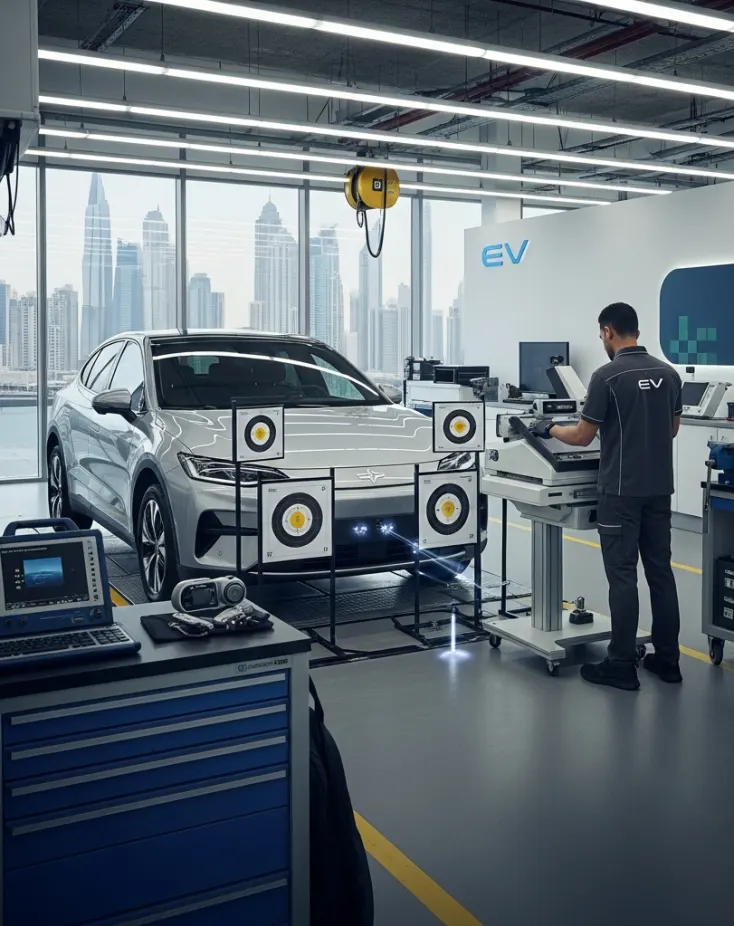
This annual service usually includes a diagnostic scan, battery inspection, cooling system check, tyre inspection, and general vehicle health assessment.
However, that yearly visit is just the core service. Some components require attention at different intervals.
A realistic EV maintenance timeline
Here is a simplified schedule many EV technicians recommend as a baseline.
Every 6 months
- Inspect tyres for uneven wear and check tyre pressure. EVs often wear tyres faster because of their weight and instant torque.
- Check the suspension and steering components if the car is frequently driven over speed bumps or rough roads.
Every 12 months
- Perform a full vehicle diagnostic scan.
- Inspect the battery cooling system.
- Check brake components and brake fluid.
- Replace the cabin air filter if necessary.
- Review charging system performance.
Every 2 years
- Replace the cabin air filter in most EV models.
- Test brake fluid quality and replace if contamination is detected.
Every 3 to 5 years
- Replace the 12 volt battery that powers electronics, locks, and accessories.
- Conduct a deeper inspection of suspension and drivetrain components.
Every 8 to 10 years
- Some EVs require coolant replacement for the battery system or a full cooling system service at long intervals.
This schedule is not universal, but it reflects common manufacturer guidance and typical EV maintenance patterns.
Why UAE Conditions Affect Service Frequency
The UAE environment is very different from Europe or North America, and it affects how electric vehicles should be maintained.
Three main factors influence EV servicing in the region.
1. Extreme heat
Summer temperatures in the UAE often exceed 40°C and can reach around 50°C in some areas.
Heat affects EVs in several ways:
- The battery management system must work harder to maintain safe temperatures.
- Air conditioning runs frequently, increasing load on electrical systems.
- Charging speeds may slow down on extremely hot days.
Studies also show that when temperatures rise above 35°C, an EV’s range can drop by 15 to 20 percent due to increased cooling demands.
Because of this, technicians in the UAE often recommend battery and cooling system checks at least once a year.
2. Desert dust and sand
Fine sand particles are common in the region and can affect several components:
- Cabin air filters clog faster.
- Cooling radiators and fans accumulate dust.
- Sensors and cameras can become obstructed.
What this means is that filters and cooling systems may require attention sooner than the manufacturer schedules designed for milder climates.
3. Driving patterns in the Emirates
Driving habits in the UAE tend to fall into two categories.
City traffic in places like Dubai or Abu Dhabi involves stop and go movement with heavy air conditioning use. Long inter emirate drives involve sustained high speeds on highways.
Both patterns influence EV maintenance:
- Stop and go traffic increases cooling system workload.
- Long highway drives can accelerate tyre wear.
This is why many workshops recommend inspecting tyres every six months rather than waiting for annual service.
What Actually Gets Checked During an EV Service
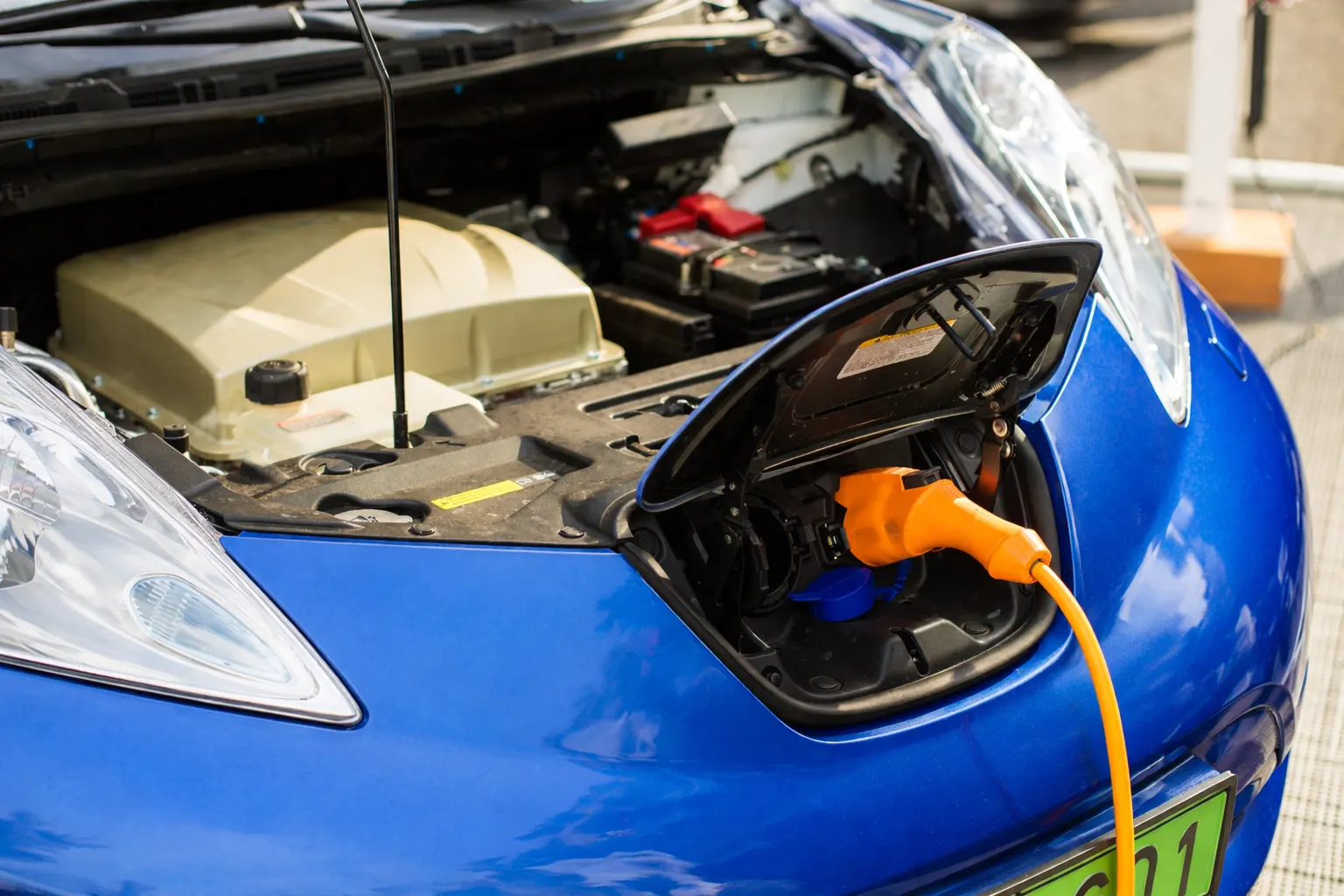
If you bring an electric car to a service centre in the UAE, the process looks different from servicing a petrol car.
There are fewer fluid changes and mechanical repairs. Instead, most of the work involves diagnostics and inspections.
A typical EV service may include:
- Battery health scan to measure cell balance, temperature history, and charging performance.
- Cooling system inspection to check coolant levels, pumps, and radiator efficiency.
- Brake inspection to ensure calipers and rotors are functioning correctly.
- Tyre rotation and alignment to maintain even wear and stable handling.
- Software updates that improve efficiency, charging, or vehicle features.
- Charging system inspection, including cables and connectors.
Another small but important component is the 12 volt battery. Many EV roadside breakdowns are actually caused by the failure of this small battery rather than the main traction battery.
Replacing it on schedule is inexpensive compared with dealing with a non starting vehicle.
Signs Your EV Might Need Service Sooner
Even if you follow the annual schedule, there are situations where servicing sooner makes sense.
Watch for these signs:
- Charging suddenly takes longer than usual, which may indicate battery thermal management issues.
- Reduced driving range without obvious explanation.
- Unusual noises from suspension or brakes when driving over bumps.
- AC cooling performance dropping, which can signal problems in the cooling system.
- Warning messages on the dashboard related to battery or power systems.
In real life, it looks like this: a small cooling system issue or sensor fault detected early can prevent major battery stress later.
Simple Maintenance Habits for EV Owners in the UAE
Routine servicing is important, but daily habits also play a role in keeping an EV healthy.
A few simple practices can make a noticeable difference.
- Avoid leaving the car parked in direct sunlight for long periods when possible. Parking in the shade helps keep the battery cooler.
- Keep the battery charge between roughly 20 and 80 per cent for daily use, which can help reduce long term battery degradation.
- Limit frequent fast charging during extreme heat, especially in summer afternoons.
- Check tyre pressure regularly, because underinflated tyres reduce efficiency and driving range.
- Keep the car clean, especially sensors, cameras, and cooling vents.
These habits are not complicated, but they help reduce stress on critical components.
Common EV Maintenance Mistakes
New EV owners sometimes make small mistakes that affect long term reliability.
Here are a few common ones.
Assuming EVs need no servicing
The myth that electric cars require zero maintenance is one of the most common misunderstandings. Routine checks help catch small problems before they become expensive repairs.
Ignoring tyre maintenance
Because EVs deliver instant torque, tyres wear unevenly if rotation and alignment are ignored.
Using non specialised workshops
Electric vehicles require technicians trained in high voltage systems and specialised diagnostic tools.
Delaying software updates
Many improvements to EV performance, battery management, and charging behaviour come through software updates.
FAQ: EV Service Intervals in the UAE
Do EVs need servicing as often as petrol cars?
No. Electric cars typically need fewer service visits because they lack engine components like oil systems and exhausts. However, annual inspections are still recommended.
How often should an EV battery be checked?
A professional battery health check once a year is a good rule, especially in hot climates like the UAE.
Is EV maintenance expensive?
In most cases, EV maintenance costs are lower than those of petrol vehicles because there are fewer parts to replace.
Can a regular garage service an EV?
It is best to use authorised EV service centres or technicians trained in electric vehicle systems.
Does the UAE heat damage EV batteries?
Modern EVs include battery management systems and cooling systems designed to handle heat. However, extreme temperatures can affect efficiency and range, so regular cooling system checks are important.
The Bottom Line
Electric vehicles simplify many aspects of car ownership, but they are not maintenance free.
For drivers in the UAE, a good rule is simple: schedule a service every 12 months or around 15,000 to 20,000 kilometres, and inspect tyres and basic components every six months.
For professional EV servicing in the UAE, it is important to rely on technicians who understand electric vehicle systems, battery diagnostics, and thermal management in extreme climates.
EV Experts provides specialised electric vehicle maintenance designed for UAE driving conditions, including battery health checks, cooling system inspections, diagnostics, and routine EV servicing to keep your vehicle running safely and efficiently. If your electric car is due for its annual service or you want to ensure it remains in peak condition, the team at EV Experts is ready to help. For quick assistance, contact +971 800 397 3787 or email info@germanexperts.ae, to book your EV service.