



%201.svg)
April 30, 2026

Category :
EV Maintenance
Electric vehicles are gaining ground across the UAE, offering low running costs, quiet drives, and the promise of a cleaner future. But as more drivers switch to electric power, most discover a side of EV ownership that often goes overlooked,the care and protection of the charging port. In a region where scorching temperatures and fine desert sand are part of daily life, the humble charging port can become a costly weak point if ignored.If you own an EV or are thinking about making the change, understanding why charging ports suffer in UAE conditions and how simple habits can prevent expensive repairs is essential. This article will lay out the most common ways damage occurs, explain the hidden warning signs, and help you put small maintenance steps in place that can save you time, stress, and money down the line.
Why EV Charging Ports Fail Faster in UAE Conditions
Charging ports on EVs are engineered for daily use, but the UAE presents unique challenges that can cut their lifespan short. Intense sun, persistent airborne sand, and unexpected humidity spells all add up to conditions most EVs were not originally designed to face.How Extreme Heat Affects Plastics, Seals, and Connector Fit
The charging port relies on a precise fit between the connector and the socket, held together by plastics, silicon seals, and rubber gaskets. In the heat common to Dubai and Abu Dhabi,where summer temperatures can soar over 45°C,these materials can warp, become brittle, or lose their elasticity. Over time, plastic parts may crack, seals may fail to keep contaminants out, and the charging connector might not seat as snugly, leading to loose connections or problems starting a charge.How Sand and Dust Build Up Inside the Port
Dust and sand are ever-present in UAE air, and they find their way into even the most protected areas of your car. Each time you open the charging port cover or use a public charging station, there’s a chance for particles to settle inside. If not cleaned away, even a thin build-up can stop the connector from making good contact, trigger error messages, or in the worst case, grind against parts each time you insert the plug, wearing them out much faster.Why Humidity and Moisture Raise the Risk of Corrosion
While most people think of the UAE as dry, sudden humidity (particularly during coastal fog or rain) can cause condensation inside the charging port. Moisture, mixed with sand or salt, can encourage corrosion on the metal contacts. This typically starts as tiny pits or dark spots and, if ignored, leads to poor electrical contact or permanent damage requiring part replacement.The Most Common Types of EV Charging Port Damage
Over years of servicing electric vehicles in Dubai and Abu Dhabi, some patterns are clear. Charging port problems usually start small but can escalate quickly if not addressed.- Loose or Misaligned Connectors: Frequent plugging in and out, especially if parts have warped from heat, can lead to a connector that wiggles or no longer clicks into place cleanly. This makes starting or sustaining a charge unreliable.
- Broken Port Covers and Damaged Seals: The port cover is your first line of defence against the elements. If it breaks,often from being dropped, slammed shut, or hit,it exposes seals and the port interior. Damaged seals then let dust, sand, or water in every time you open the cover.
- Burn Marks, Corrosion, and Dirty Contact Pins: Black marks, melted areas, or green/white corrosion on the metal contacts mean high resistance, overheating, or moisture damage. Dirty or pitted pins signal that the port and plug are no longer connecting cleanly.
Early Signs Your EV Charging Port Has a Problem
Most major damage starts with subtle, easily overlooked symptoms. Acting early is the key to avoiding breakdowns and expensive repairs.- Charging Starts and Stops Without Warning: Intermittent charging, such as starting, stopping, or failing to charge on the first try, is often a symptom that the connector or port is dirty, misaligned, or suffering from an electrical fault.
- The Plug Feels Loose or Hard to Insert: A secure, firm fit is normal. If the plug now rattles, feels wobbly, or needs excessive force, check the port for debris, bent pins, or warping.
- Error Messages, Slow Charging, or Heat Around the Port: Unexpected dashboard alerts, unusually slow charging, or a warming sensation near the port during use all suggest hidden faults. Heat in particular signals resistance or shorting,never ignore it.
How Poor Charging Habits Damage the Port and Connector
Much of the wear on charging ports comes not from the environment, but from everyday handling. Many faults we see in the workshop could have been avoided with a little more care at the charger.- Forcing the Plug into the Port: Never jam the connector in when it does not fit. This can bend pins, damage plastic alignment guides, and stress seals designed for a gentle push.
- Pulling the Cable at an Angle: Always unplug straight out. Yanking the cable sideways puts strain on both the port and charging cable, and can break internal parts or stretch seals, leaving the port exposed to dust and sand.
- Leaving the Port Exposed After Charging: Always close the port cover as soon as you unplug,even if you’re charging at home. An open port is an open invitation for dust, sand, and moisture to find their way inside, especially overnight.
How to Protect an EV Charging Port from Heat, Sand, and Moisture
While UAE conditions are tough, regular care can make damage much less likely. A few simple habits, done consistently, protect your EV and help avoid costly repairs.Simple Cleaning and Inspection Habits
- Give the port a visual check each time you plug in or out, looking for dust, sand, or moisture.
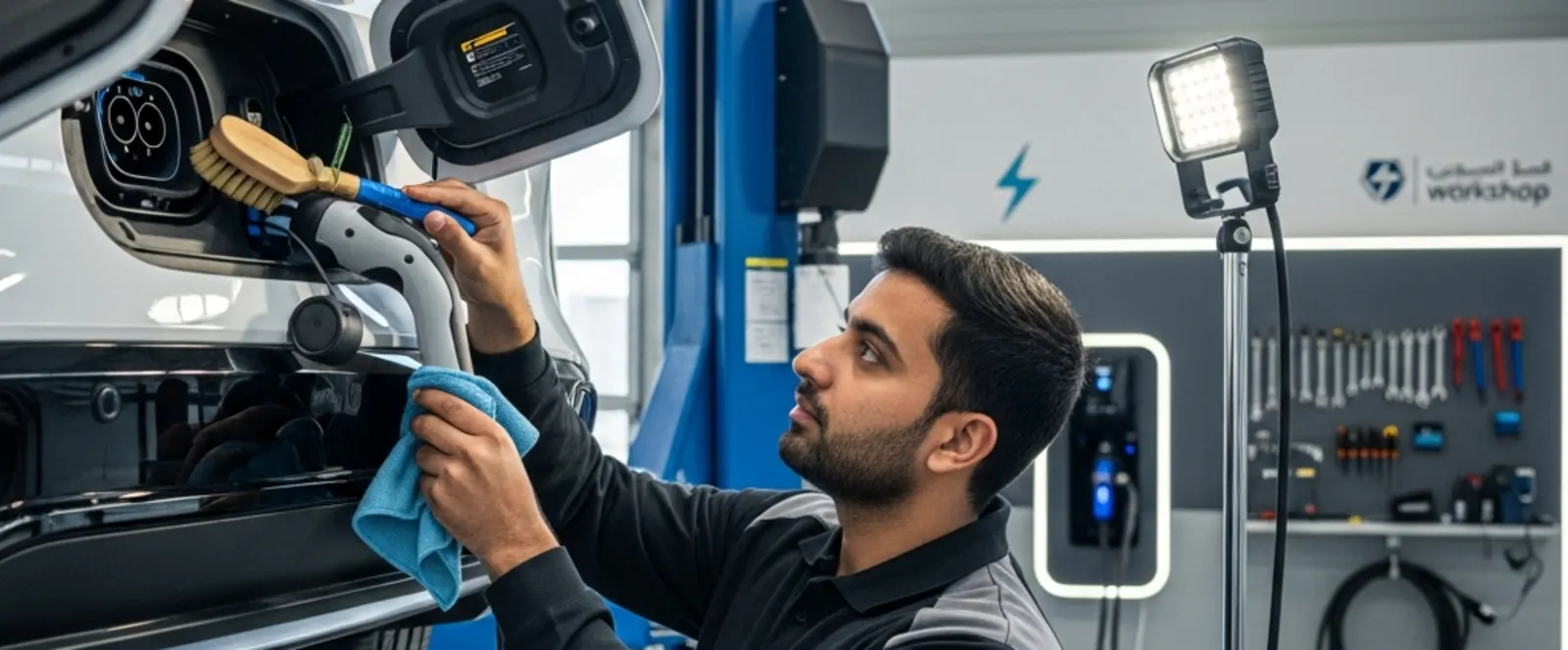
- Use a clean, dry, soft cloth or a can of compressed air (nothing sharp or abrasive) to gently clean around the port if needed.
- Never use liquids, sprays, or unapproved cleaners. Only touch the inside of the port if instructed by your EV manufacturer; if in doubt, leave it to a technician.
Safe Charging Practices at Home and in Public
- Only use approved charging cables that fit snugly,with no force,and keep spare cables clean and stored away from dust.
- Park in shaded areas where possible to keep port components cooler.
- Try to schedule charging times to avoid the hottest part of the day or after a rain/dust storm.
When to Use a Cover and When to Avoid DIY Fixes
- Always close the port cover immediately after charging; this is your best protection.
- Avoid makeshift covers or taping up the port,DIY solutions risk trapping moisture or causing more damage.
- If the official cover or seals are damaged, get them replaced immediately with manufacturer-approved parts.
When a Charging Issue Needs Inspection or Repair
Not every charging hiccup means there’s a major fault, but ignoring repeated problems can quickly turn a minor fix into a major repair job.Problems You Can Monitor Versus Problems That Need Service
If you notice a little dust or the odd plug fit issue, a careful clean (following your car’s manual) and improved habits may solve it. However, get a professional inspection right away if you see:- Burn marks, melting, or corrosion around the charging port
- Repeated charging errors or failed connections at different charging stations
- Any sign of water, condensation, or persistent dirt inside the port