




%201.svg)

One of the most common concerns for electric vehicle owners in the UAE is heat. Summer temperatures regularly climb above 40°C, and parked cars can become much hotter. Drivers notice that range estimates change, charging behaviour feels different and the cooling system works harder.
Understanding how temperature affects EV batteries makes it easier to separate normal behaviour from real problems. It also shows where simple habits can improve comfort and long term battery health.
1. Why temperature matters for EV batteries
Most modern EVs use lithium-ion battery cells. These cells are sensitive to very high and very low temperatures. At a basic level:
- Cold conditions reduce available power and immediate range
- High temperatures speed up the chemical reactions that age the battery
- Very high temperatures can temporarily limit power or charging to protect the system
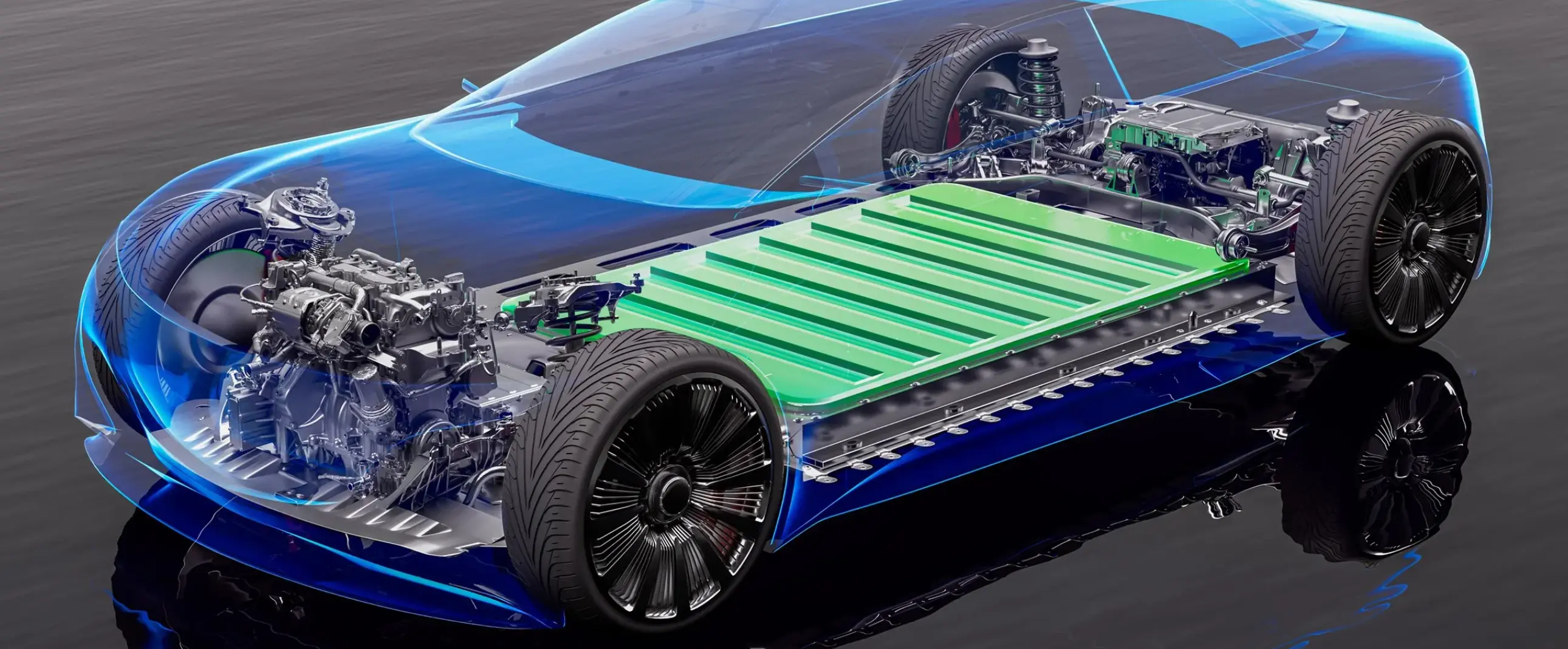
Manufacturers design EVs with cooling and heating systems to keep batteries within a safe range. In the UAE, these systems have to work harder, especially during long highway drives or fast charging sessions on hot afternoons.
2. How heat affects range in daily driving
In summer, many UAE drivers notice that:
- Cabin air conditioning turns on as soon as the car starts
- The cooling system uses more energy
- Range estimates may drop compared with winter or mild days
Part of this is simply the extra power required for air conditioning. Keeping a large cabin cool in strong sunlight takes energy. Another part is the battery management system keeping the pack temperature in a controlled window.
You might see:
- Slightly lower range per charge on the hottest days
- The cooling fans running more often, even after you park
- Limited maximum charging rates when the battery is already very warm
None of these signs automatically mean the battery is damaged. They can be normal responses to high ambient temperatures.
3. The role of thermal management systems
To manage temperature, EVs rely on thermal management systems. These often include:
- A dedicated coolant circuit for the battery pack
- Pumps and valves to direct coolant where needed
- Heat exchangers and sometimes heat pumps
- Fans and radiators at the front of the car
On very hot days in the UAE, the system might cool the battery before, during and after charging. When you park and lock the car, you may hear fans or pumps running for a while.
Good maintenance of this system is important:
- Coolant level and condition should be checked on schedule
- There should be no visible leaks or damaged hoses
- Any warning messages about temperature need attention
A healthy thermal system is the battery’s main defence against long term heat stress.
4. Fast charging in hot weather
Fast charging generates heat inside the battery. Combining that with hot ambient conditions can push temperatures higher than usual.
You may notice that:
- The car limits fast charging speed during very hot conditions
- Fast charging sessions take longer than in cooler seasons
- The system occasionally suggests waiting for the battery to cool
These protections are deliberate. They reduce the immediate speed of charging in order to protect the battery. This may feel inconvenient on a busy schedule, but it is preferable to excessive heat inside the pack.
Practical habits that help:
- If possible, arrive at fast chargers with a moderate battery temperature, not immediately after long, fast driving
- Use home or workplace AC charging for routine top ups
- Reserve repeated fast charging for longer trips when it is genuinely needed
5. Parking habits that support battery health
How and where you park makes a noticeable difference in the UAE.
Helpful habits include:
- Parking in shade or covered parking when available
- Using sunshades inside the cabin to reduce interior heat
- Avoiding long periods at 0 percent or 100 percent state of charge in direct sun
Most EVs include features that let you schedule charging or pre condition the cabin while plugged in. If you can, set charging so that it finishes close to your departure time on hot days. This reduces the amount of time the battery spends at very high states of charge in high temperatures.
6. Charging level and storage in UAE conditions
Experts often advise keeping daily charge levels in a moderate band for lithium-ion batteries, especially in hot climates. In practical terms:
- For daily use, many owners charge to around 70–80 percent
- For long trips, you can charge to 100 percent shortly before departure
- For storage, it is usually better to leave the car around the mid-range of charge, not full or empty
You do not need to check the charge level every hour, but building these habits into your regular routine can support long term health.
7. Service checks that are especially important in the UAE
When you book an EV service in Abu Dhabi, Dubai or any other UAE city, it is sensible to ask your workshop to:
- Check coolant level and condition in the battery cooling circuit
- Inspect the condenser and radiator for dust and debris
- Run a diagnostic scan for any stored temperature related codes
- Confirm that fans and pumps are operating correctly
If you mention any concerns about range changes, repeated temperature warnings or unusual fan noise, it gives technicians a clear starting point.
8. Signs that need professional attention
Some changes in behaviour are normal in hot weather. Others are worth checking more quickly.
You should not ignore:
- Frequent or persistent “battery too hot” or “reduced power” messages
- A sharp, sudden drop in range that does not improve when temperatures fall
- Strong, unusual smells or smoke from the battery area
- Coolant leaks under the car, especially near the battery or front radiator area
If you experience any of these, contact a qualified EV workshop as soon as possible and avoid hard driving or fast charging until the system is checked.
9. Setting realistic expectations for UAE EV ownership
No battery system can completely ignore physics. Heat will always have some effect on performance and ageing. The goal is not to remove this effect entirely, but to keep it within sensible limits.
If you:
- Accept that range may vary between seasons
- Use simple parking and charging habits
- Allow the thermal system to do its work
- Follow the maintenance schedule for cooling and diagnostics
you can own and use an EV comfortably in the UAE without constant worry about the battery.
Over several years, these habits often make the difference between a car that feels tired and limited and one that remains smooth, predictable and usable every day.


.webp)