



.webp)
%201.svg)

Electric vehicles are becoming a common sight on roads across the UAE. From Dubai to Abu Dhabi, more drivers are choosing EVs for lower running costs, quieter driving, and fewer moving parts compared to petrol cars. On paper, electric cars seem simple to maintain.
Here’s the thing. While EVs require less routine servicing, some of their parts are extremely expensive to repair or replace. The battery alone can cost tens of thousands of dirhams if something goes wrong.
This is where EV warranty contracts become important. These agreements help protect owners from large, unexpected repair bills by covering key components such as the battery, electric motor, and high-voltage electronics.
Understanding how these warranties work can save drivers a lot of stress and money over time, especially in the UAE where climate and driving conditions can put extra pressure on EV systems.
Why EV Repairs Can Be Expensive
Electric vehicles are often described as simpler machines. They do not need oil changes, timing belts, or many of the maintenance tasks associated with combustion engines.
But simplicity does not always mean cheap repairs.
EVs rely heavily on advanced electrical systems and large lithium-ion battery packs. These parts are complex and require specialised tools and trained technicians to diagnose and repair.
Consider the battery. It is the most valuable component in an electric vehicle. In the UAE, battery related servicing can range from minor fixes to major replacements costing up to AED 70,000, depending on the model and issue.
Because of these costs, manufacturers and third party providers offer warranty coverage designed specifically for electric vehicles.
Without a warranty contract, even a single battery failure or inverter problem could turn into a large financial burden.
What an EV Warranty Contract Actually Is
An EV warranty contract is an agreement that covers the repair or replacement of specific vehicle components for a defined period or mileage.
Most electric cars already come with a manufacturer's warranty, especially for the battery. However, additional warranty contracts can extend protection beyond the original coverage.
A simple way to think about it is this.
A warranty contract works like a safety net. If a covered component fails due to manufacturing defects or unexpected issues, the warranty provider pays for the repair or replacement instead of the vehicle owner.
Typical EV warranties include three key limits:
- Time limit which usually ranges from several years of coverage after purchase.
- Mileage limit that caps the total distance the vehicle can travel while still being protected.
- Performance threshold that guarantees a minimum battery health level during the coverage period.
For example, many EV manufacturers in the UAE offer battery warranties of around 8 years or roughly 160,000 kilometres, often guaranteeing that the battery will retain at least 70 per cent of its original capacity during that period.
If the battery fails or drops below that threshold prematurely, the warranty typically covers repair or replacement.
Key Components Usually Covered by EV Warranty Contracts
EV warranty contracts focus on protecting the parts that are both essential and expensive.
These are the systems that would cause the biggest financial impact if they failed unexpectedly.
Commonly covered components include:
- High voltage battery pack
This is the central power source of the electric vehicle. Warranty coverage often includes protection against manufacturing defects or severe capacity loss beyond the allowed threshold.
- Electric motor and drivetrain
The motor converts electrical energy into movement. While generally reliable, repairs can be costly due to specialised parts and labour.
- Inverter and power electronics
These systems manage how electricity flows between the battery and motor. Faults in these components can prevent the car from operating properly.
- Thermal management and cooling systems
EV batteries rely on cooling systems to maintain safe temperatures. In hot climates such as the UAE, these systems are especially important.
- Charging and electrical systems
Many warranties include protection for onboard chargers, wiring, and related electronic components that support the battery and motor.
Protecting these parts is essential because they form the core of how an electric vehicle operates.
Why EV Warranty Contracts Matter More in the UAE
Driving conditions in the UAE are unique, and they can influence how EV components age.
The region’s climate is one of the main reasons warranty coverage matters so much.
High temperatures can place additional strain on battery cooling systems and electronics. Long highway commutes and frequent fast charging can also increase wear on certain components.
Warranty contracts help address these realities in several ways:
- Protection against early component failure
Heat and daily driving patterns can cause small issues to appear sooner than expected. Warranty coverage ensures those problems do not immediately become costly repairs.
- Structured diagnostics and repair processes
Many warranty providers require professional inspection and documentation before approving repairs. This structured process helps identify the root cause quickly and avoid unnecessary trial and error repairs.
- Financial protection for expensive systems
EV components such as batteries, inverters, and electric motors can cost far more than typical car parts. Warranty coverage spreads this risk across the provider rather than the owner.
In simple terms, warranty contracts make EV ownership more predictable financially.
What Is Usually Not Covered
No warranty covers everything.
Understanding the limits of a contract is just as important as knowing what it includes.
Common exclusions often include:
- Normal battery wear over time
Lithium-ion batteries slowly lose capacity with age and charging cycles. This gradual decline is expected and usually not covered unless the battery drops below the guaranteed threshold.
- Damage caused by accidents or misuse
If a battery is damaged due to a collision, flooding, or improper charging equipment, warranty coverage normally does not apply.
- Unauthorised modifications
Altering software, installing non approved parts, or modifying electrical systems may invalidate warranty protection.
- Skipping recommended maintenance
Many warranty agreements require periodic inspections or servicing to keep coverage active.
Here’s the catch. Some drivers only discover these exclusions when they try to file a claim. Reading the terms before signing the contract helps avoid confusion later.
Real World Example of How a Warranty Helps
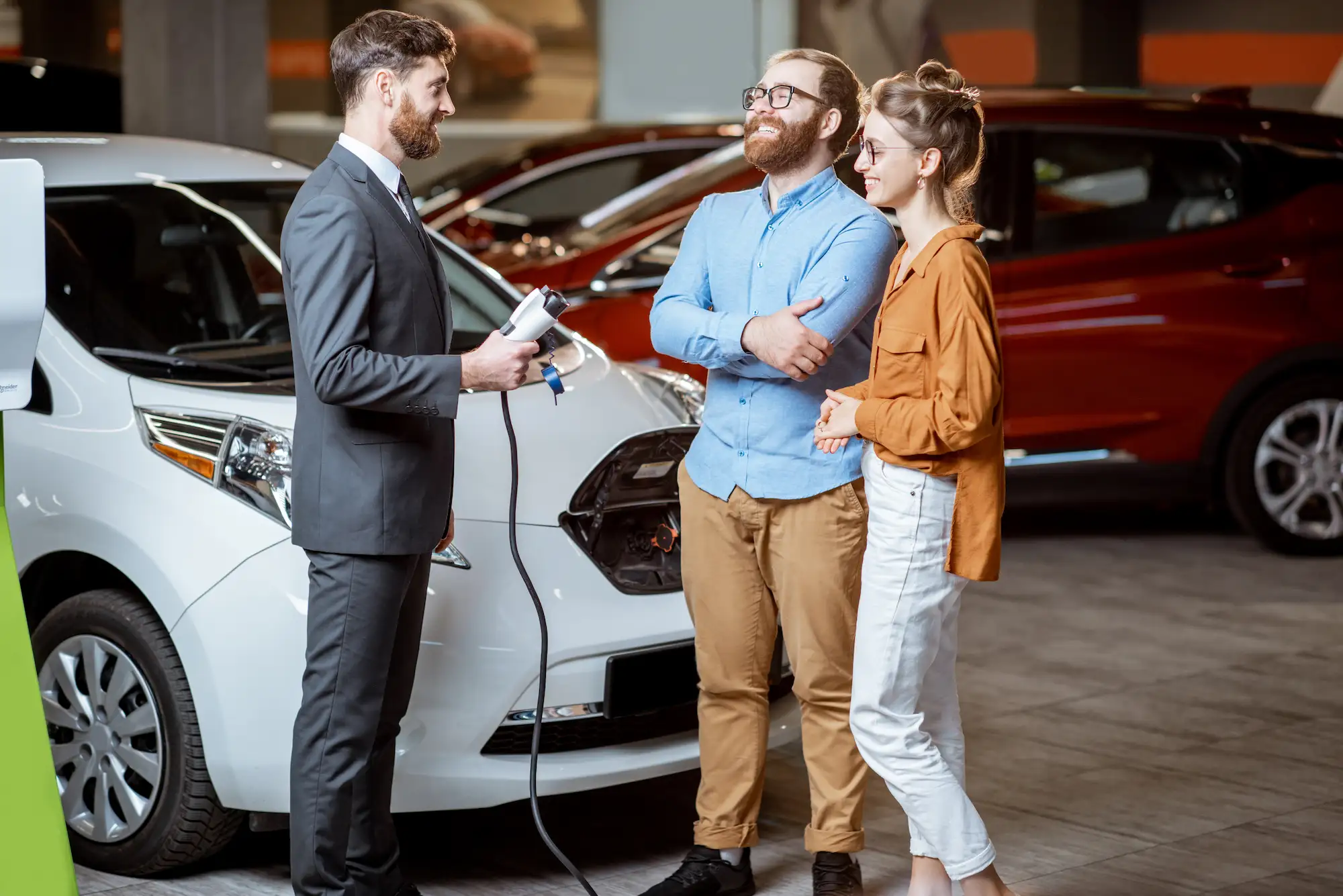
In real life, it looks like this:
A driver in Dubai purchases a used electric vehicle that is three years old. The car still has five years left on its battery warranty.
After four years of ownership, the driver notices a significant drop in driving range. Diagnostics show the battery capacity has fallen below the guaranteed threshold earlier than expected.
Without warranty coverage, the repair could cost tens of thousands of dirhams.
With the warranty still valid, the manufacturer replaces the battery pack at no cost to the owner.
That single claim can easily justify the value of the warranty contract.
How Warranty Contracts Help Maintain Resale Value
Electric vehicle buyers often ask one key question when purchasing a used EV.
“How healthy is the battery?”
Battery condition has a strong impact on resale value. A vehicle with a weak battery can lose a significant portion of its market price.
A warranty contract can help in two ways:
Transferable coverage increases buyer confidence
Many EV warranties can transfer to the next owner. This means the new buyer continues to receive protection for the remaining period.
Documented service history improves credibility
Warranty claims and inspections create a clear record of maintenance and battery health.
This added reassurance can make it easier to sell the vehicle and maintain a higher resale price.
Extended EV Warranty Contracts
Manufacturer warranties eventually expire.
For drivers planning to keep their electric vehicle for a long time, extended warranty contracts can provide continued protection.
These plans usually start after the original coverage ends and may last one to three additional years, depending on the provider.
Extended warranties can include:
- Continued protection for high voltage components and electric motors.
- Coverage for major electrical systems and onboard electronics.
- Repair coordination through approved EV service centres.
- Optional roadside assistance and towing support.
The cost of extended coverage varies depending on the vehicle model, age, and mileage. However, many owners consider it worthwhile given the high price of EV components.
Simple Tips to Protect Your EV Battery and Warranty
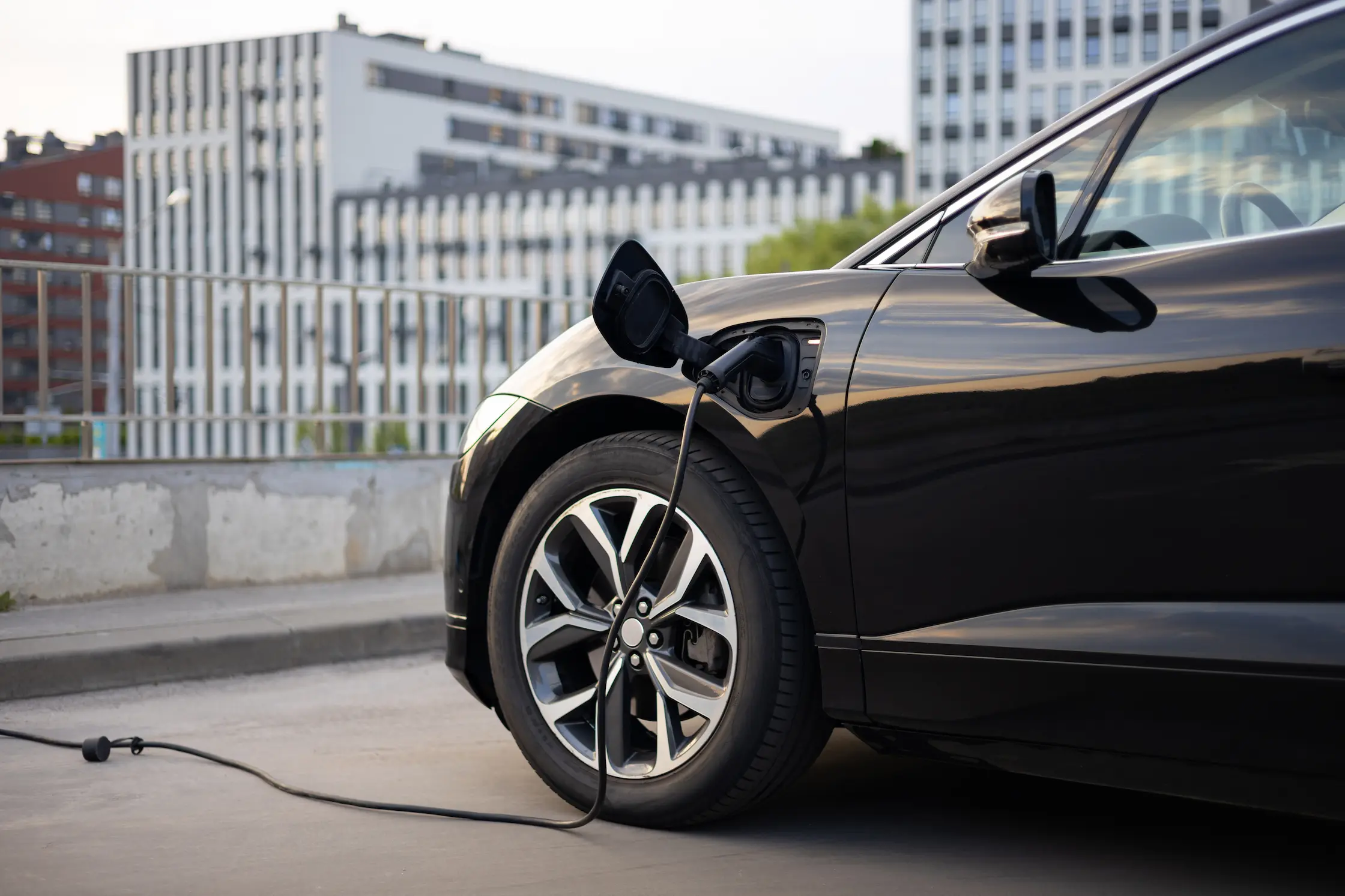
Even with warranty coverage, drivers still play a role in keeping their EV healthy.
Following basic battery care practices helps maintain performance and ensures warranty conditions remain valid.
Helpful habits include:
- Avoid charging the battery to 100 per cent every day.
Many manufacturers recommend keeping daily charging between roughly 20 per cent and 80 per cent to reduce long term wear.
- Limit excessive fast charging when possible.
Rapid charging is convenient, but frequent use can increase battery stress over time.
- Park in shaded or covered areas when available.
Reducing exposure to extreme heat helps maintain battery health in the UAE climate.
- Follow the manufacturer’s service schedule.
Regular inspections can detect early warning signs before they become major problems.
These small steps can extend battery life and help maintain warranty coverage.
Common Mistakes EV Owners Make With Warranty Contracts
Many EV owners assume their warranty will cover every possible issue. In reality, warranty agreements have specific conditions.
Common mistakes include:
- Not reading the capacity guarantee clause
Many warranties only cover battery issues once capacity drops below a defined level, usually around 70 per cent.
- Ignoring service requirements
Skipping scheduled inspections may invalidate coverage.
- Using unapproved charging equipment
Certain warranties require certified chargers and proper installation.
- Waiting too long to report problems
Early diagnosis often makes warranty claims easier to approve.
A careful review of the warranty contract prevents these problems.
FAQ: EV Warranty Contracts in the UAE
How long do EV battery warranties last?
Most electric vehicle battery warranties in the UAE last around 8 years or up to 160,000 kilometres, though the exact terms vary by manufacturer and model.
What battery performance level is guaranteed?
Many warranties guarantee that the battery will retain at least 70 per cent of its original capacity during the coverage period. If it drops below that level earlier than expected, the warranty may cover repairs or replacement.
Can EV warranty contracts be transferred to a new owner?
Yes, some warranties are transferable. This can improve resale value because the next owner receives continued protection for the remaining coverage period.
Are EV warranty contracts available for used cars?
Yes. Several providers in the UAE offer warranty contracts for used electric vehicles after a thorough inspection.
Do EV warranty contracts replace car insurance?
No. Warranty contracts cover mechanical and electrical failures, while insurance covers accidents, theft, and external damage.
Final Thoughts
Electric vehicles bring many advantages. They are quieter, cleaner, and often cheaper to run than petrol cars.
But they still rely on complex technology, especially the battery and electrical systems that power the vehicle.
EV warranty contracts help manage the financial risks associated with these advanced components. By covering expensive repairs and replacements, they allow drivers to enjoy the benefits of electric driving without worrying about sudden repair costs.
What this means is simple.
For anyone driving an electric vehicle in the UAE, a well structured warranty contract is not just an extra feature. It is a practical layer of protection that can save thousands of dirhams over the life of the car.